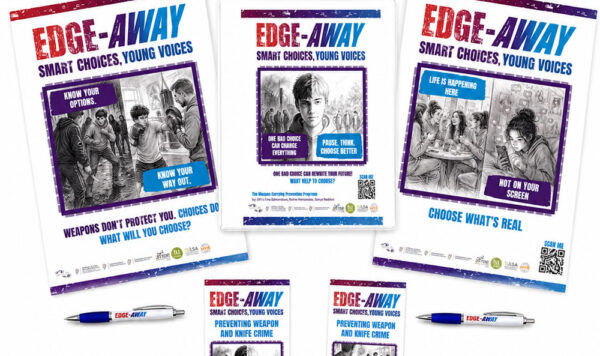

A pro-active youth-led initiative aimed at tackling weapon carrying and raising awareness around youth violence has successfully completed its pilot phase across a number of youth projects in Limerick.
The Edge-Away Weapons Awareness Programme, developed through a unique co-design process with young people, programme facilitators and a programme researcher has engaged 84 participants across 13 groups between 2024 and 2025. Delivered by Programme Facilitators Sonya Reddan and Richie Hannafin, the programme has placed young people’s voices at the centre of every stage of development, ensuring that the content remains relevant, engaging, and reflective of the realities faced by young people today.
Building the Programme Together
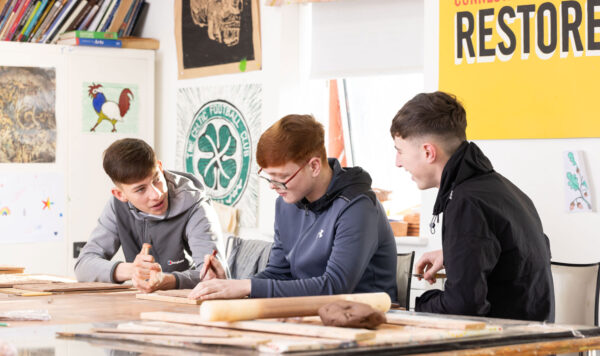
The pilot phase of the programme began with Youth Diversion Projects and Probation Projects from Moyross Youth Academy, Northstar Project, Kings Island, and later extending to Northside Youth Space in Ballynanty. It also worked with STEPS School Completion Programme. From the outset, it adopted a youth-centred approach: facilitators worked closely with participants to create group contracts, establish safe and respectful shared spaces, and provide clear overviews of the programme journey ahead. Young people were encouraged to set personal and group goals, with rewards such as pizza days, trips, and external activities helping to maintain engagement and celebrate achievements.
A key aspect of the programme’s development was the collaboration between young people, facilitators, and Programme Researcher, Dr Sue Redmond. Sue carried out desk-based research on national and international evidence relating to community violence and weapon carrying, identifying which approaches, session content, and activities had been effective and which had not. This research informed the programme design and helped ensure that the content was grounded in evidence and emerging best practice.
Young people’s feedback was central to shaping the programme. Their views and experiences were continuously sought throughout the pilot phase and directly informed the development of session content, activities, and the programme manual. Sue adapted materials and facilitators Sonya & Richie adapted delivery approaches based on participant feedback, ensuring the programme remained relevant, engaging, and responsive to young people’s needs and experiences.
Sue worked closely with young people, programme facilitators, and other professionals throughout both the pre- and post-programme evaluation processes. She also provided guidance and support to programme facilitators Sonya and Richie and offered ongoing support throughout the pilot and training delivery. This collaborative approach strengthened programme implementation and ensured continuous reflection and learning throughout the development process.
The success of the programme extended far beyond attendance and participation. Young people became active co-creators, helping to shape the programme and its delivery. Through ongoing reflection, consultation, and collaboration with facilitators and the programme researcher, participants influenced both the content and approach, ensuring that the programme was not only educational and supportive but also meaningful, empowering, and responsive to their lived experiences.
Young People’s Voices at the Heart of Development
One of the most innovative aspects of the Edge-Away project was the level of ownership given to young people throughout the design process.
Working alongside programme facilitators and graphic design team Passion for Creative, participants contributed to major creative and strategic decisions. Young people reviewed design concepts and colour palettes, provided feedback on branding ideas, and even played a role in naming the project itself.
Their involvement ensured that the final programme reflected the perspectives and experiences of those it was designed to support.
Young people also participated in photography elements of the project with Photographer Alan Place, capturing images that represented key themes, learning experiences and activities explored throughout the programme. These contributions helped create an authentic visual identity while strengthening participants’ sense of ownership and pride in the initiative.
Equipping Professionals to Deliver the Programme
As the pilot phase progressed, attention turned towards building the capacity of youth work professionals to deliver the programme within their own services.
On the 15th of May 2025, an Edge-Away Weapons Awareness Training Day was hosted at Moyross Youth Academy and facilitated by Sonya Reddan and Richie Hannafin.
The training brought together 14 professionals from organisations across Limerick, including the Moyross Youth Academy, Extern, Foróige and Limerick Youth Service.
Participants received comprehensive training on the preparation and delivery of the programme, exploring the background to its development, key learning outcomes, session content and the evidence base underpinning the intervention. The day also included discussion of relevant research, theories and findings from the programme’s literature review.
Importantly, professionals were given the opportunity to actively participate in and facilitate programme activities themselves, allowing them to experience the sessions from both a facilitator and participant perspective. The training also created space for honest conversations around expectations, challenges and concerns associated with delivering a weapons awareness programme with young people.
Feedback from attendees was overwhelmingly positive. Many highlighted the importance and timeliness of the programme, noting that they currently work with, or have previously supported, young people affected by weapon-related incidents, violence and criminal activity.
Looking Ahead
The successful pilot delivery of the Edge-Away Weapons Awareness Programme demonstrates the value of meaningful youth participation in programme design and development. By placing young people at the centre of decision-making, the project has created a practical, relevant and engaging educational resource that responds directly to the needs and experiences of local communities.
As interest continues to grow among youth work professionals and organisations, Edge-Away represents an important step forward in supporting young people to make informed choices, challenge attitudes towards weapon carrying, and build safer futures for themselves and their communities.
Most importantly, the programme stands as a testament to what can be achieved when young people are not simply consulted but genuinely empowered to lead the conversation and shape the choices they make.